



CARDIZEM SR 120mg Tablet
(0
reviews)
Code:
Free Delivery charge on orders minimum 2000 Taka in Dhaka City
Cash On Delivary Available
Delivery Charge Inside Dhaka 75 TK
Delivery Charge Outside Dhaka 120 TK
Price:
Discount Price:
৳7.36
/pc
Share:
Top Selling Products
-

NIDIPINE SR 20MG TABLET
৳0.64 -
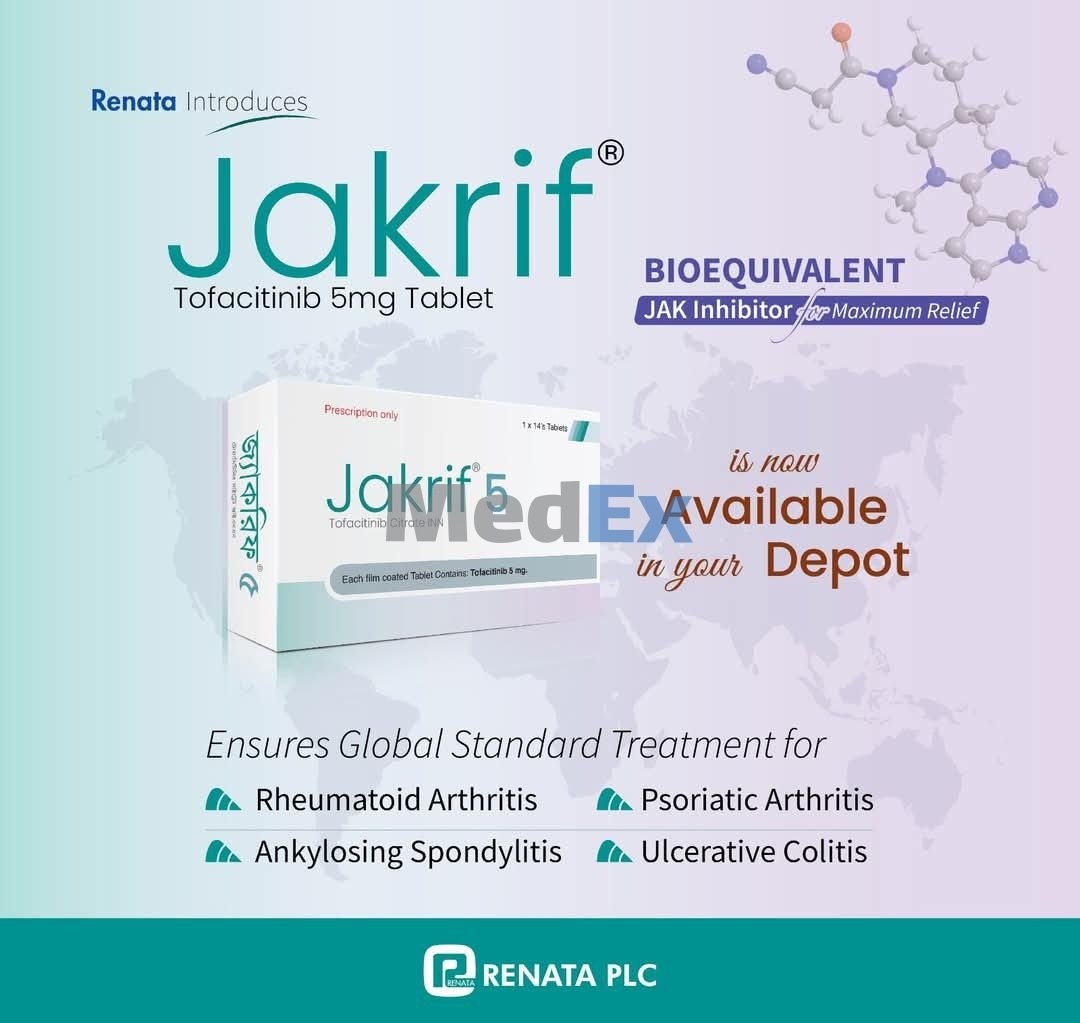
Jakrif 5mg TABLET
৳32.20 -
EVEMESA 1GM SACHET
৳47.50 -
Imugen 10 billion Capsule
৳27.60 -
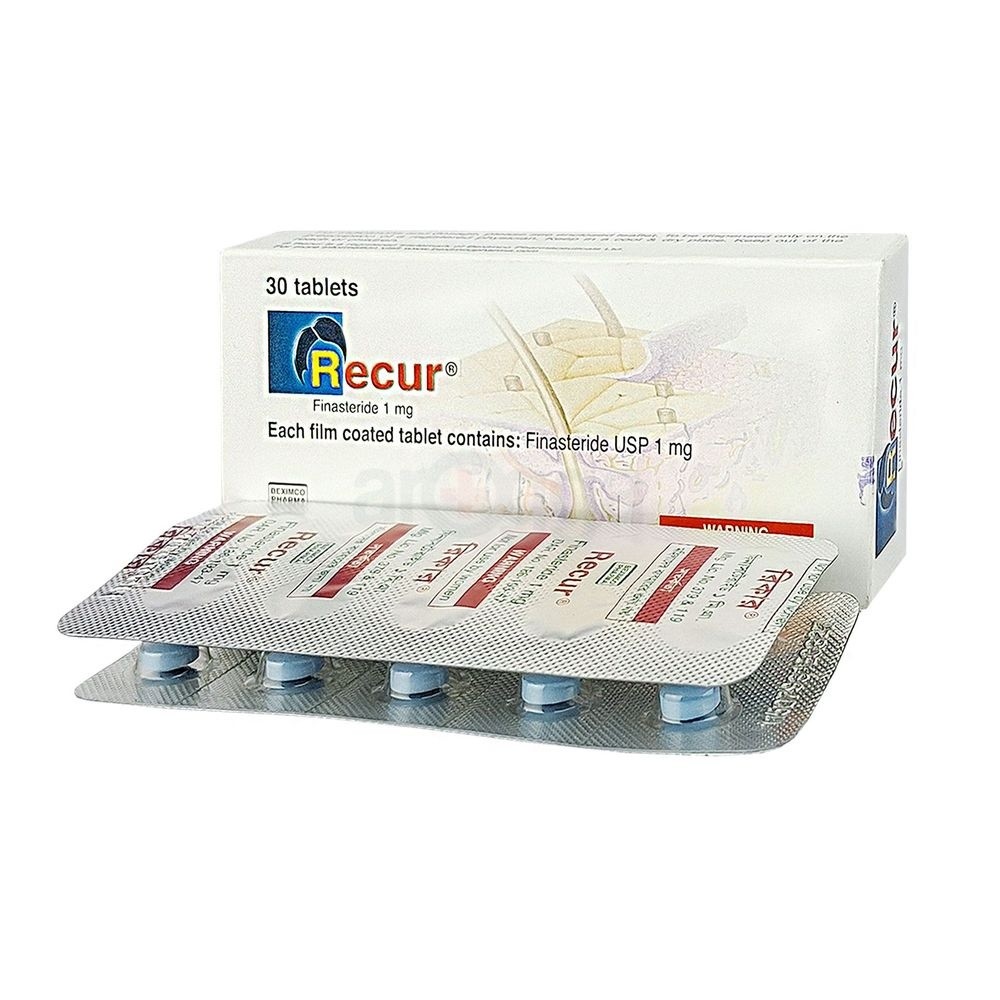
RECUR 1mg Tablet
৳3.70


No How To Buy Text
No Return Policy Text
Related products

৳250.00
7 UP CAN BERMUDA 320 ML
৳130.00
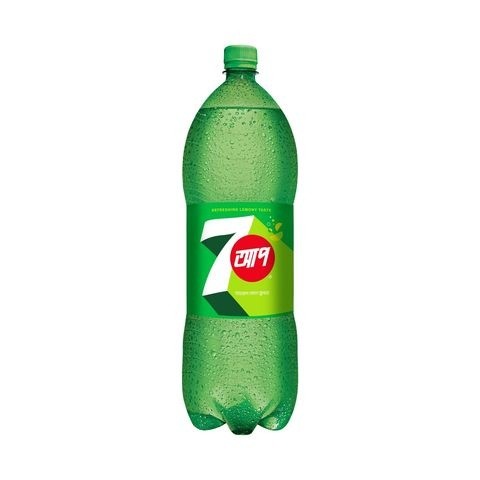
7 UP 1.75ML
৳595.00
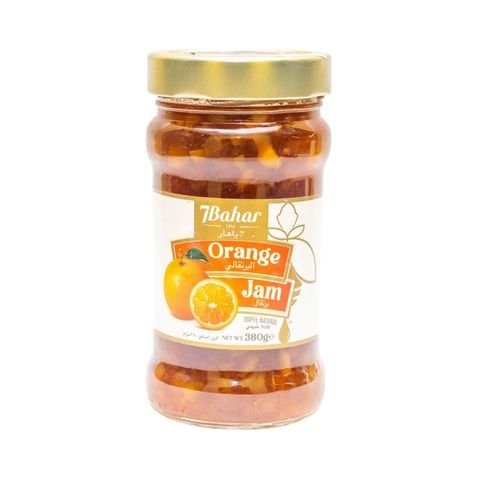
7BAHAR ORANGE JAM JELLY 380 GM
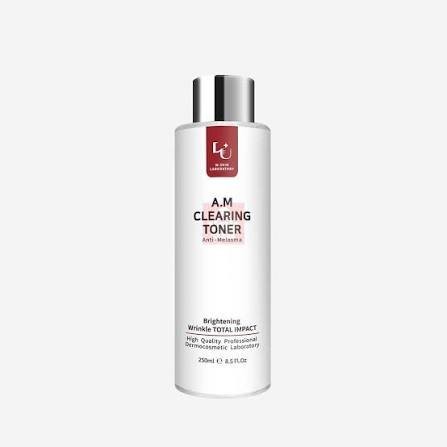
৳1,700.00
A.M CLEARING TONER 250 ML

৳40.00
Aarong Dairy Laban 250ML

৳40.00
Aarong Dairy lassi 200 ml

৳120.00
Aarong Dairy Tok Doi 500 G

৳100.00
AARONG MILK LIQUID 1 L.
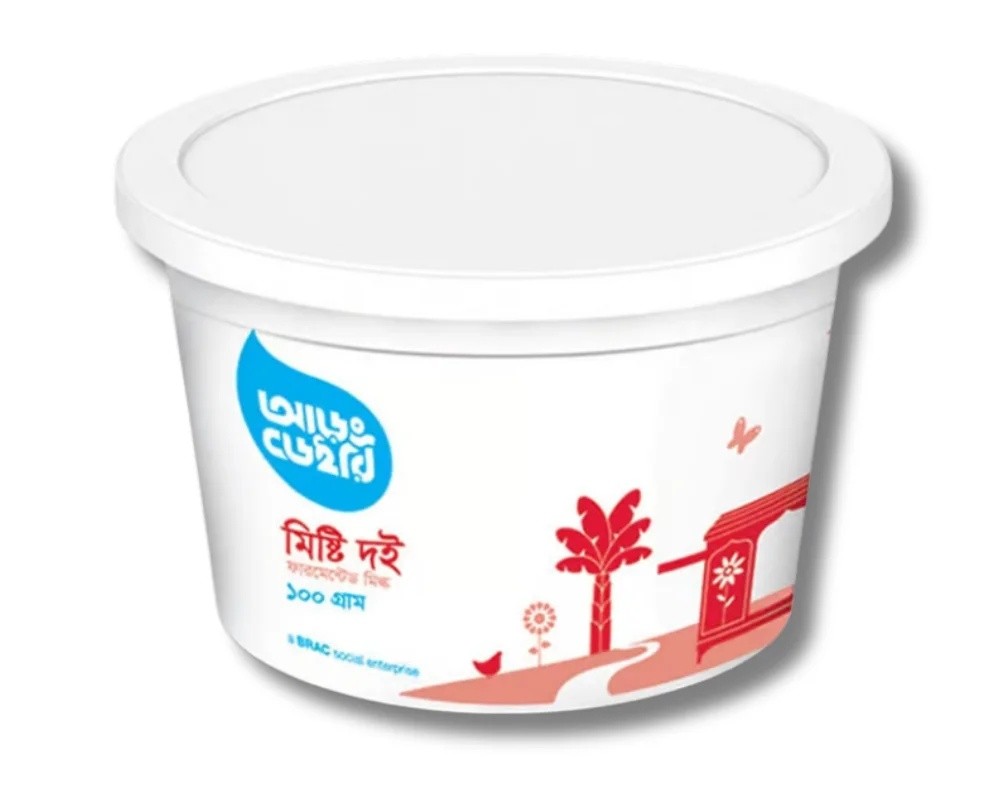
৳30.00
AARONG MISTI DOI 100GM

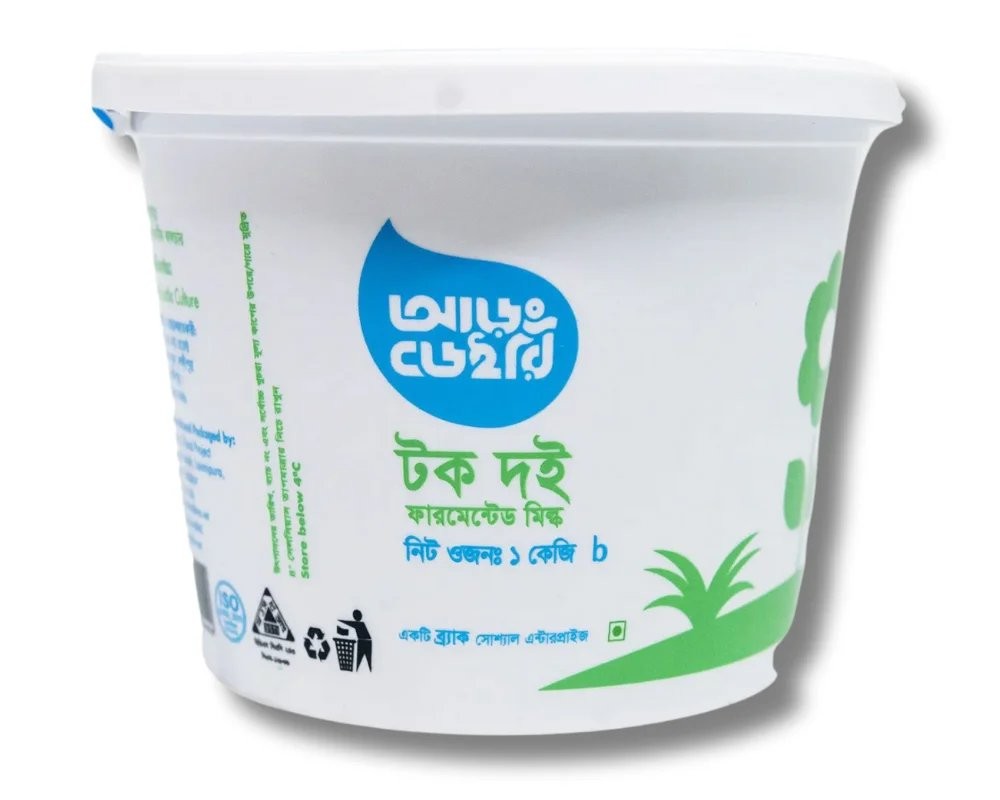
৳120.00
AARONG TOK DOI

ABASAGLAR CARTRIDGE 3ML
ABASAGLAR KWIKPEN 3ML

৳1,350.00
ABASAGLAR KWIKPEN
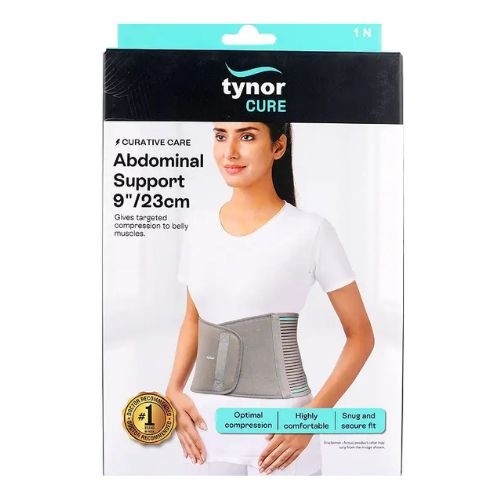
ABDOMINAL SUPPORT TYNOR SIZE: L
৳1,641.00
ABDOMINAL SUPPORT TYNOR SIZE: XL

ABICON 500 mg+100 mg Chewable Tablet
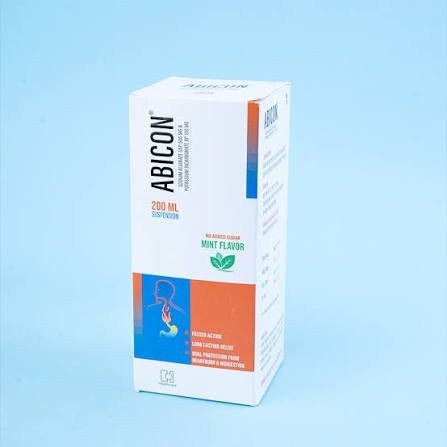
ABICON (500 mg+100 mg)/5 ml Oral Suspension 200ML
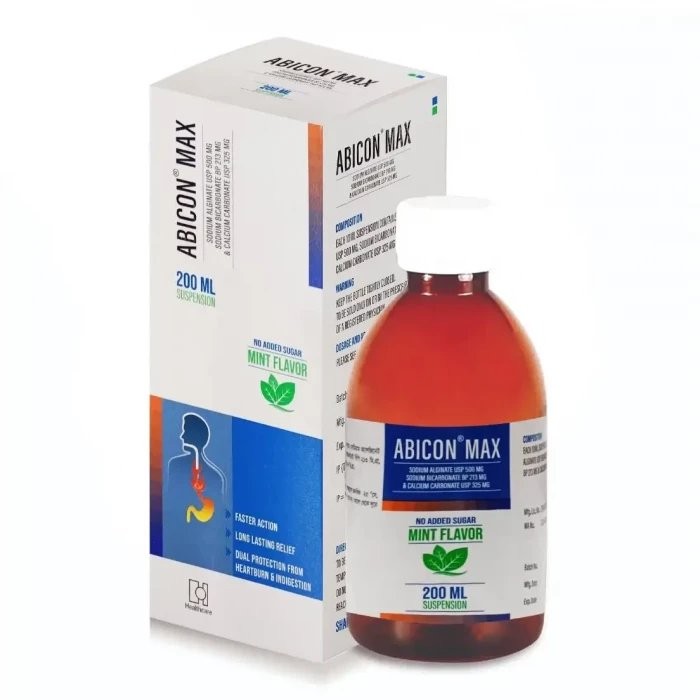
ABICON MAX SUSPENSION 200ML
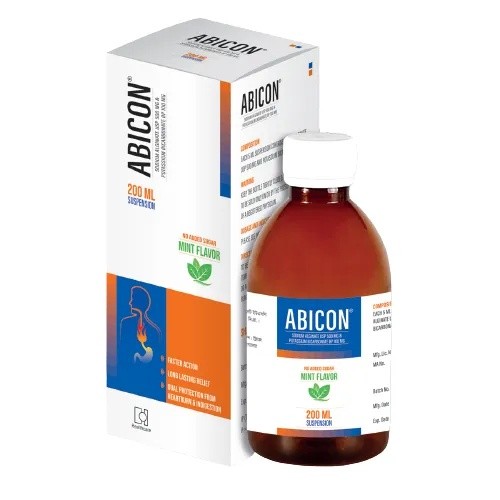
ABICON PLUS Oral Suspension 200 ml
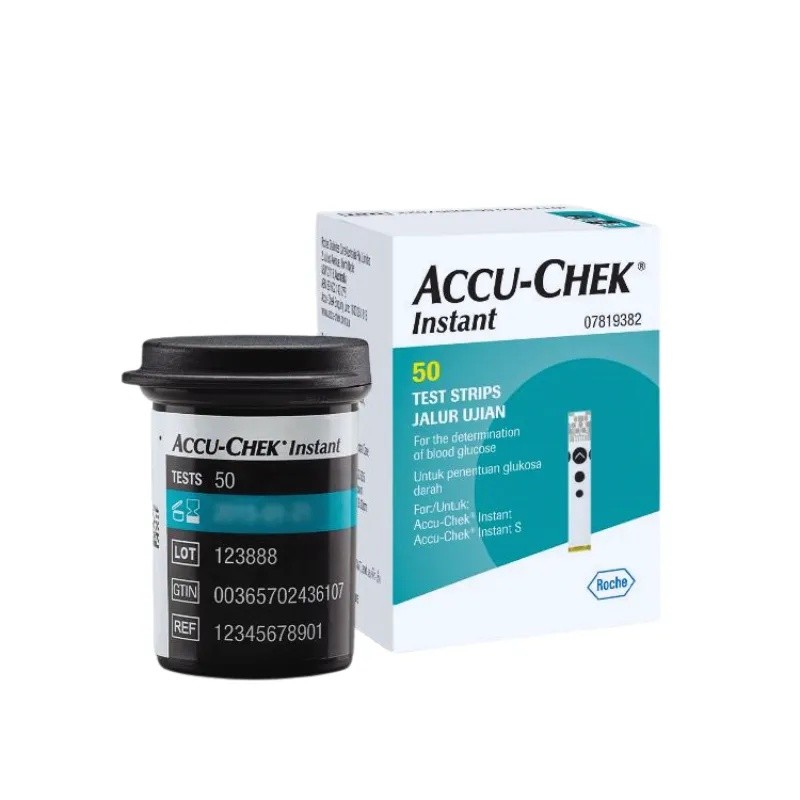
ACCU-CHEK INSTANT STRIP 50 PCS

ACCUZITH 500MG TABLET
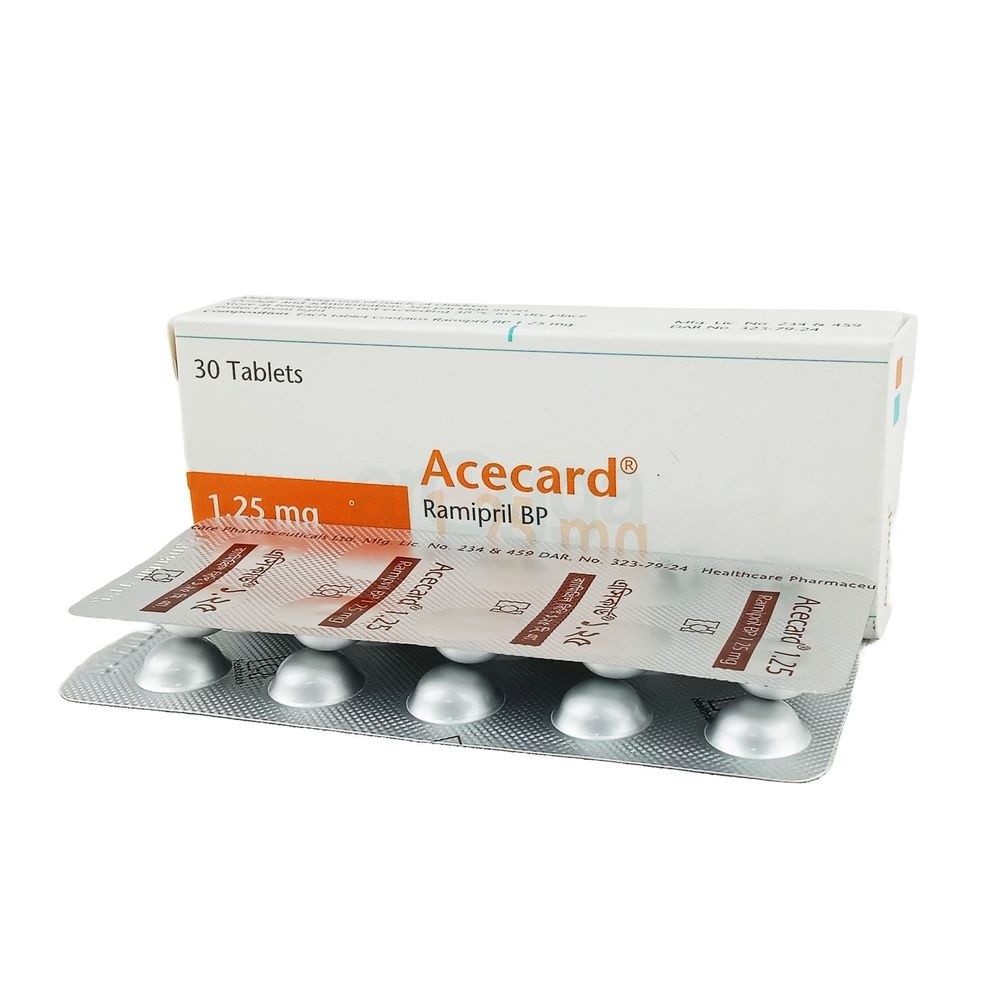
ACECARD 1.25MG TABLET

ACECARD 5MG TABLET
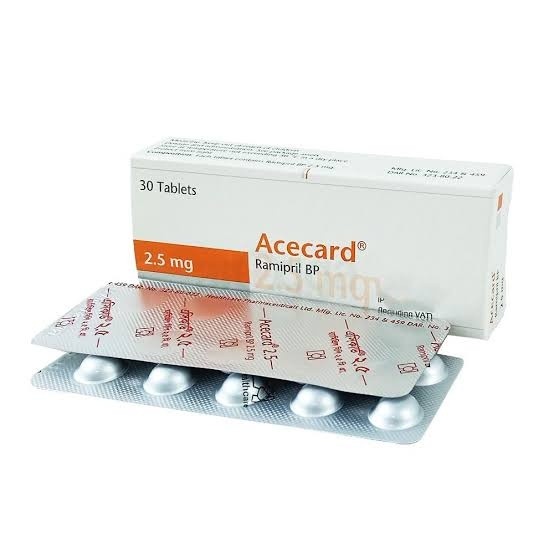
ACECARD 2.5MG TABLET

Acepro 100 mg (Tablet)
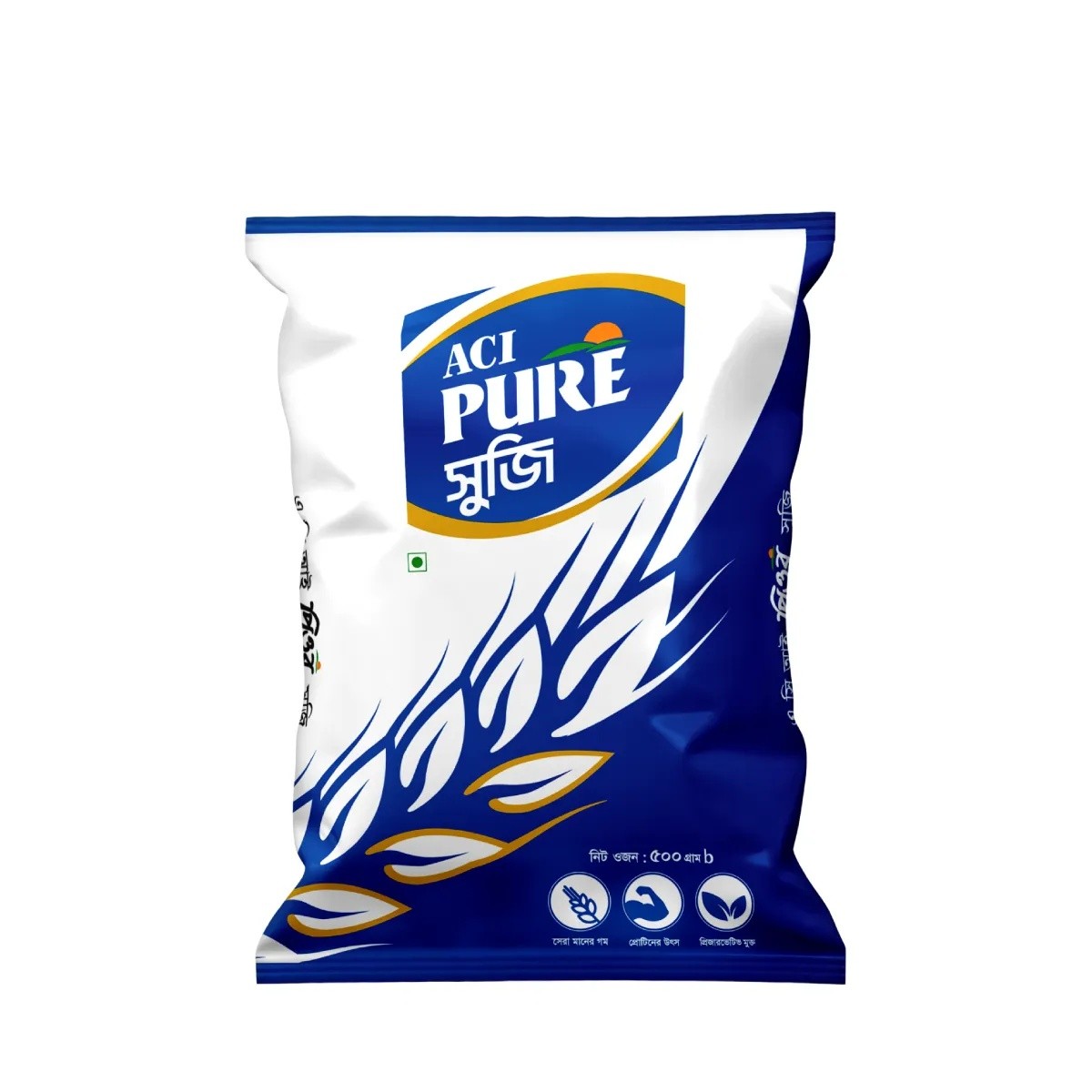
৳48.00
ACI PURE SUJI
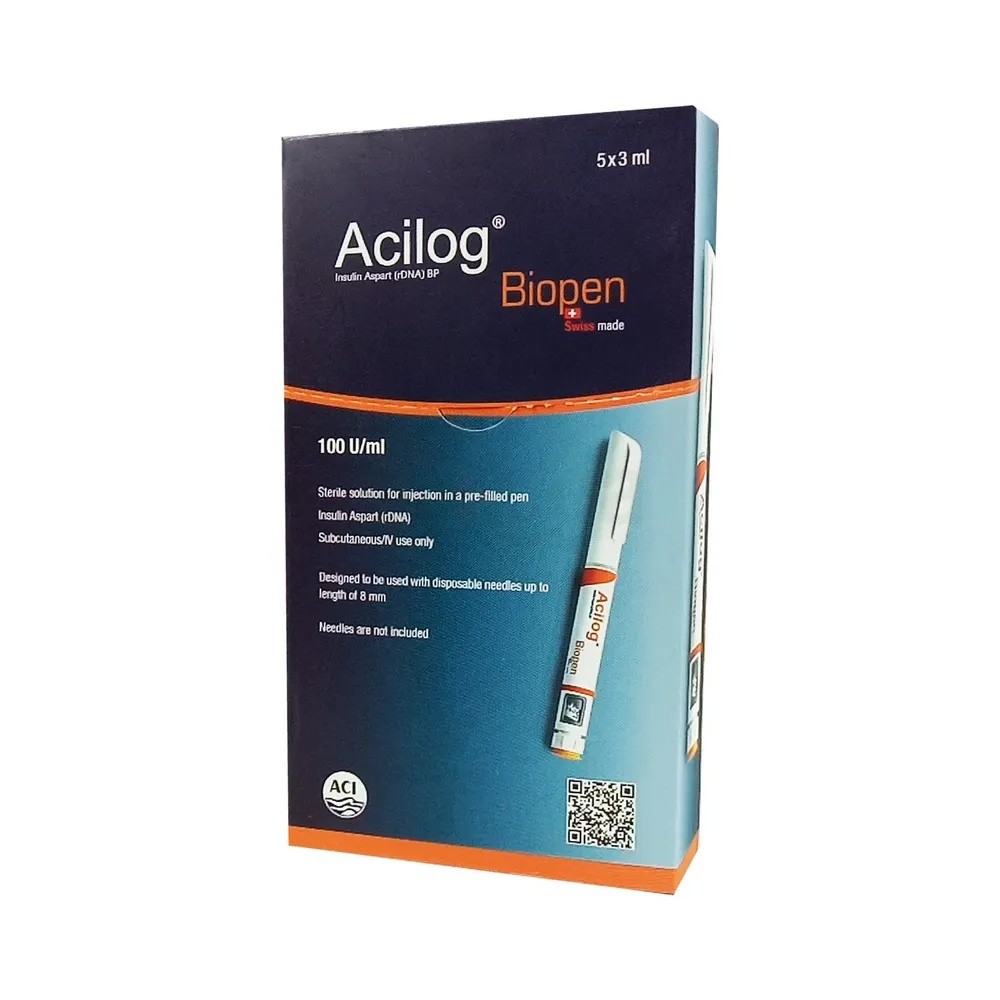
ACILOG MIX BIOPEN
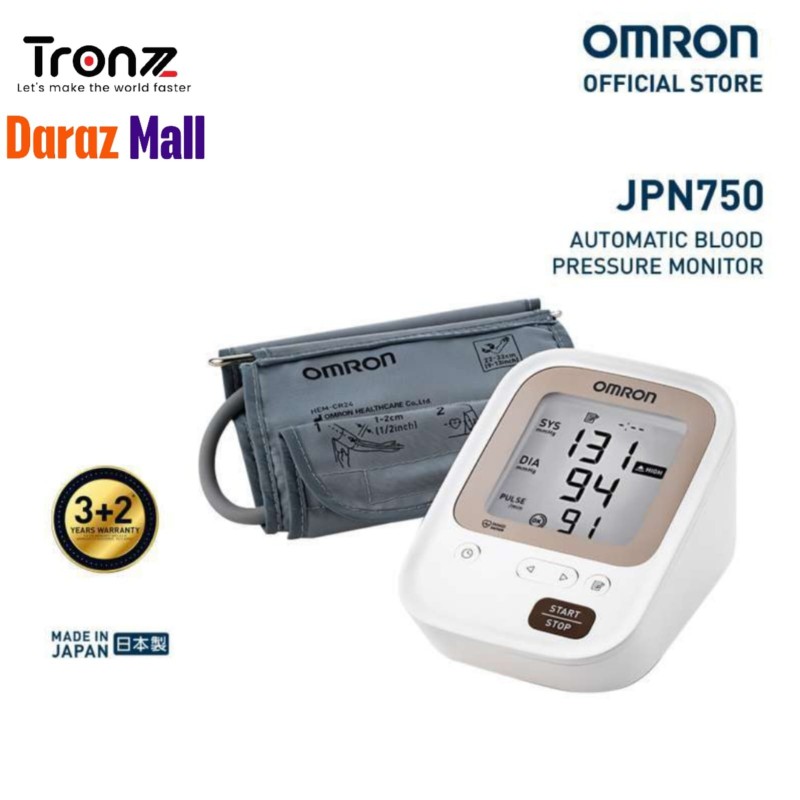
Omron Digital Blood Pressure Monitor (Model-JPN-750)
৳1,500.00