








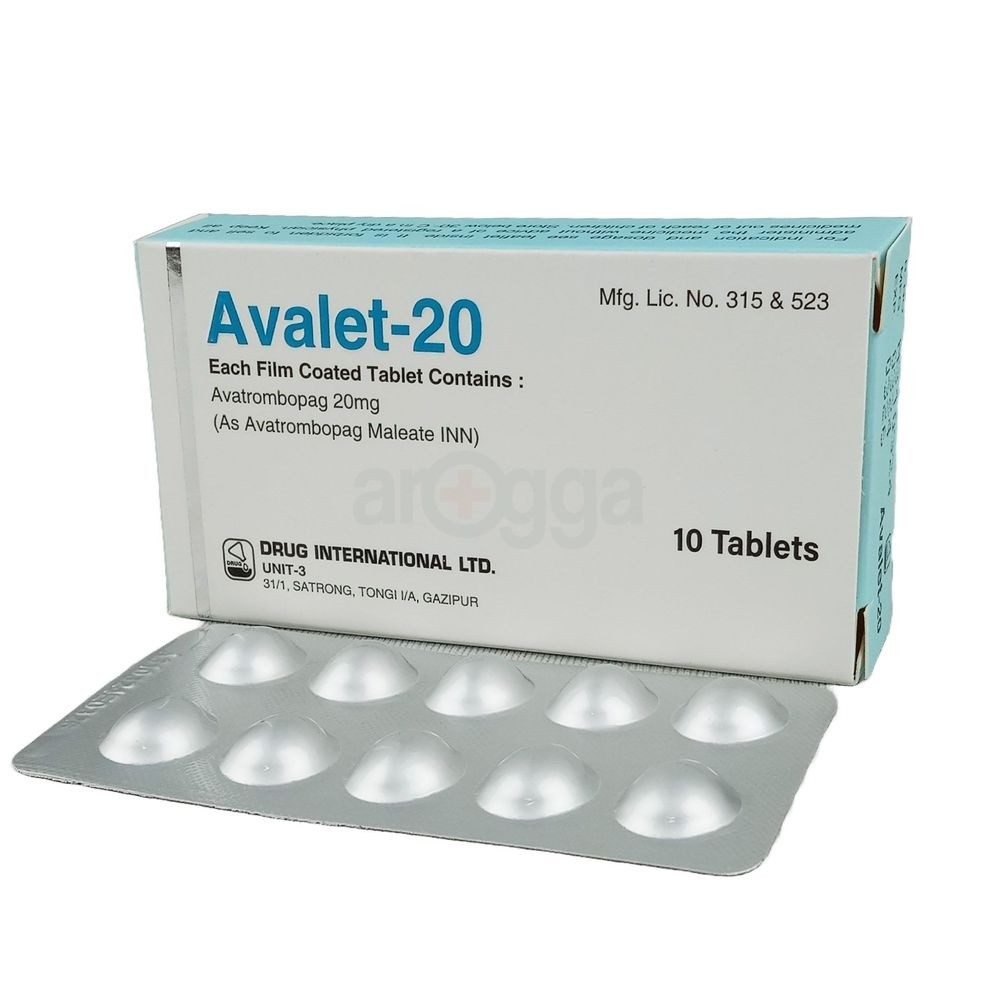
AVALET 20mg Tablet

-

NIDIPINE SR 20MG TABLET
৳0.64 -
Jakrif 5mg TABLET
৳32.20 -
EVEMESA 1GM SACHET
৳47.50 -
Imugen 10 billion Capsule
৳27.60 -
RECUR 1mg Tablet
৳3.70


✅ 100% Original Product
AVALET 20MG TABLET
Description
Avalet 20mg Tablet is an oral prescription hematopoietic (blood cell producing) medication manufactured by Drug International Ltd.
Uses
Thrombocytopenia in Chronic Liver Disease (CLD): Specifically indicated to treat adults with chronic liver disease experiencing low blood platelet counts (thrombocytopenia) who are scheduled to undergo an upcoming surgical, medical, or dental procedure.
It temporarily raises platelets to reduce the necessity of prophylactic platelet transfusions. Chronic Immune Thrombocytopenia (ITP): Prescribed to manage low platelet counts in adult patients with chronic immune thrombocytopenia who have had an inadequate or insufficient response to a previous frontline treatment (such as corticosteroids or immunoglobulins).
Typical Dose
For Chronic Liver Disease (Pre-Procedure Plan): The dosage is strictly determined by your baseline platelet count, taken orally once daily for 5 consecutive days with food:
Platelet count less than 40 x 10⁹/L: 60mg (3 tablets) daily for 5 days.
Platelet count 40 to less than 50 x 10⁹/L: 40mg (2 tablets) daily for 5 days.
Procedure Timing: You should schedule your medical procedure to take place 5 to 8 days after taking the final dose of Avalet.
For Chronic Immune Thrombocytopenia (ITP):
The standard initial starting dose is 20mg (1 tablet) once daily with food.
Your doctor will continuously adjust, scale back, or temporarily pause this dosage based on regular, ongoing monitoring of your blood platelet counts to keep them safely within a target range (typically greater than or equal to 50 x 10⁹/L).
How to Take
Take this medication exactly as directed by your specialist or hematologist.
Always take Avalet with food. Food significantly increases the absorption and effectiveness of avatrombopag in your system.
Swallow the tablet whole with water. Do not crush, break, chew, or split it.
Enzyme Interaction Warning: Inform your doctor about all other medications you take. Moderate or strong dual inhibitors or inducers of the CYP2C9 and CYP3A4 pathways can heavily affect how fast this medicine leaves your system, requiring precise starting dose adjustments.
Pregnancy and Lactation Warning: This drug can cause significant embryo-fetal toxicity or harm to an unborn baby.
It must not be used during pregnancy. Women who can become pregnant should use highly effective birth control during treatment. Do not breastfeed during treatment and for at least 2 weeks after your very last dose.
Common Side Effects
The side effect profile differs depending on the underlying condition being managed:
In Patients with Chronic Liver Disease: Pyrexia (fever), abdominal pain, nausea, headache, fatigue, and peripheral edema (swelling in the hands, ankles, or feet).
In Patients with Chronic ITP: Headache, fatigue, contusions (easy bruising), epistaxis (nosebleeds), upper respiratory tract infections, arthralgia (joint pain), and bleeding gums.
Critical Warning: Because this drug rapidly increases platelet production, it carries a risk of thromboembolic (blood clot) complications, such as portal vein thrombosis.
Contact emergency medical services immediately if you experience sudden pain or swelling in a leg, shortness of breath, sudden severe chest pain, or symptoms of a stroke.
Related products

7 UP CAN BERMUDA 320 ML

7 UP 1.75ML

7BAHAR ORANGE JAM JELLY 380 GM

A.M CLEARING TONER 250 ML

Aarong Dairy Laban 250ML

Aarong Dairy lassi 200 ml

Aarong Dairy Tok Doi 500 G

AARONG MILK LIQUID 1 L.

AARONG MISTI DOI 100GM

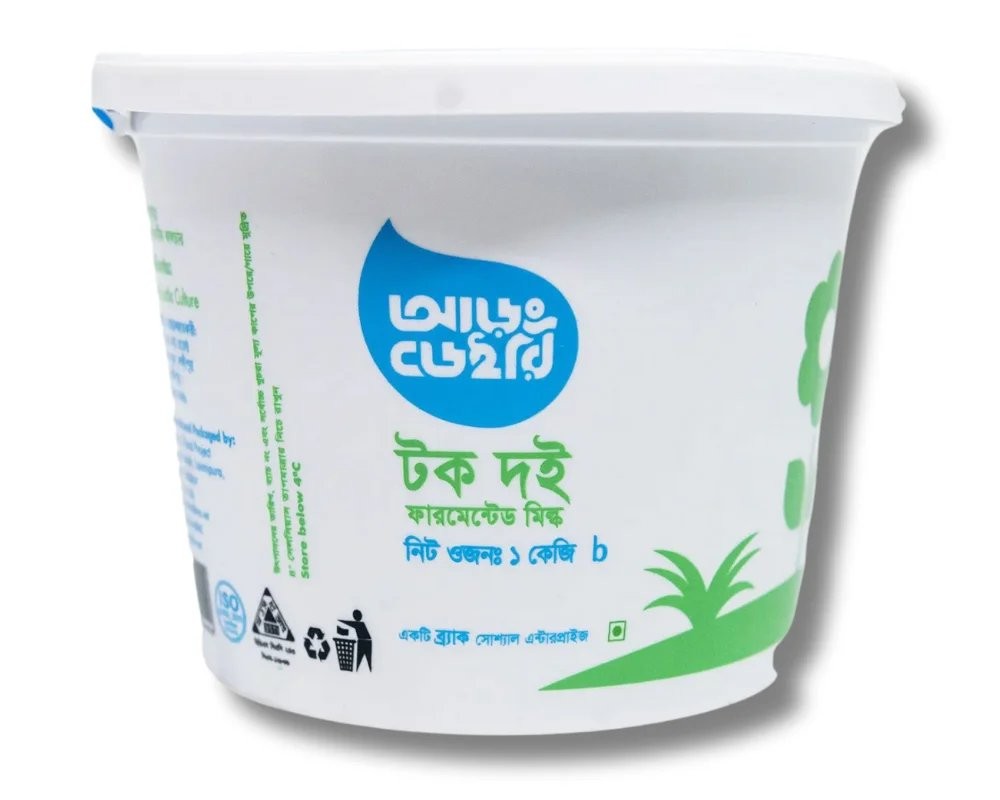
AARONG TOK DOI

ABASAGLAR CARTRIDGE 3ML
ABASAGLAR KWIKPEN 3ML

ABASAGLAR KWIKPEN

ABDOMINAL SUPPORT TYNOR SIZE: L
ABDOMINAL SUPPORT TYNOR SIZE: XL

ABICON 500 mg+100 mg Chewable Tablet
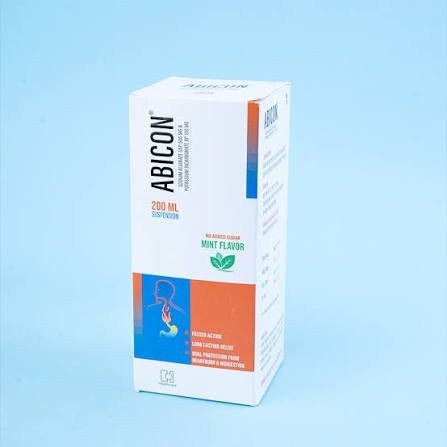
ABICON (500 mg+100 mg)/5 ml Oral Suspension 200ML
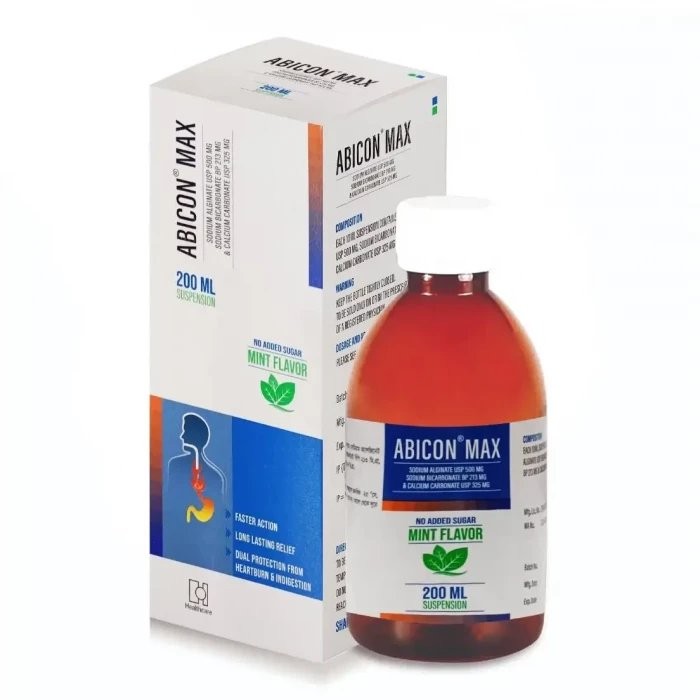
ABICON MAX SUSPENSION 200ML
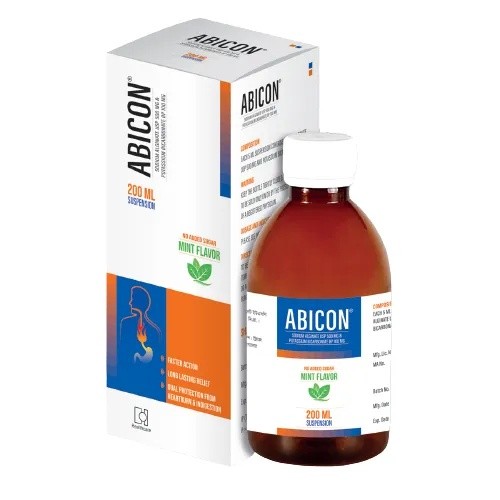
ABICON PLUS Oral Suspension 200 ml
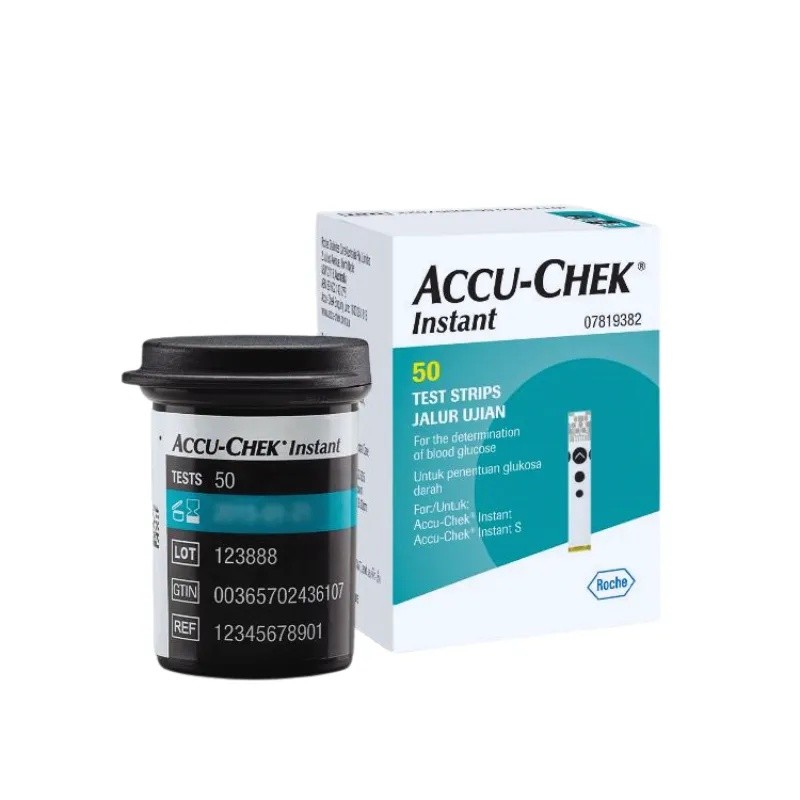
ACCU-CHEK INSTANT STRIP 50 PCS

ACCUZITH 500MG TABLET
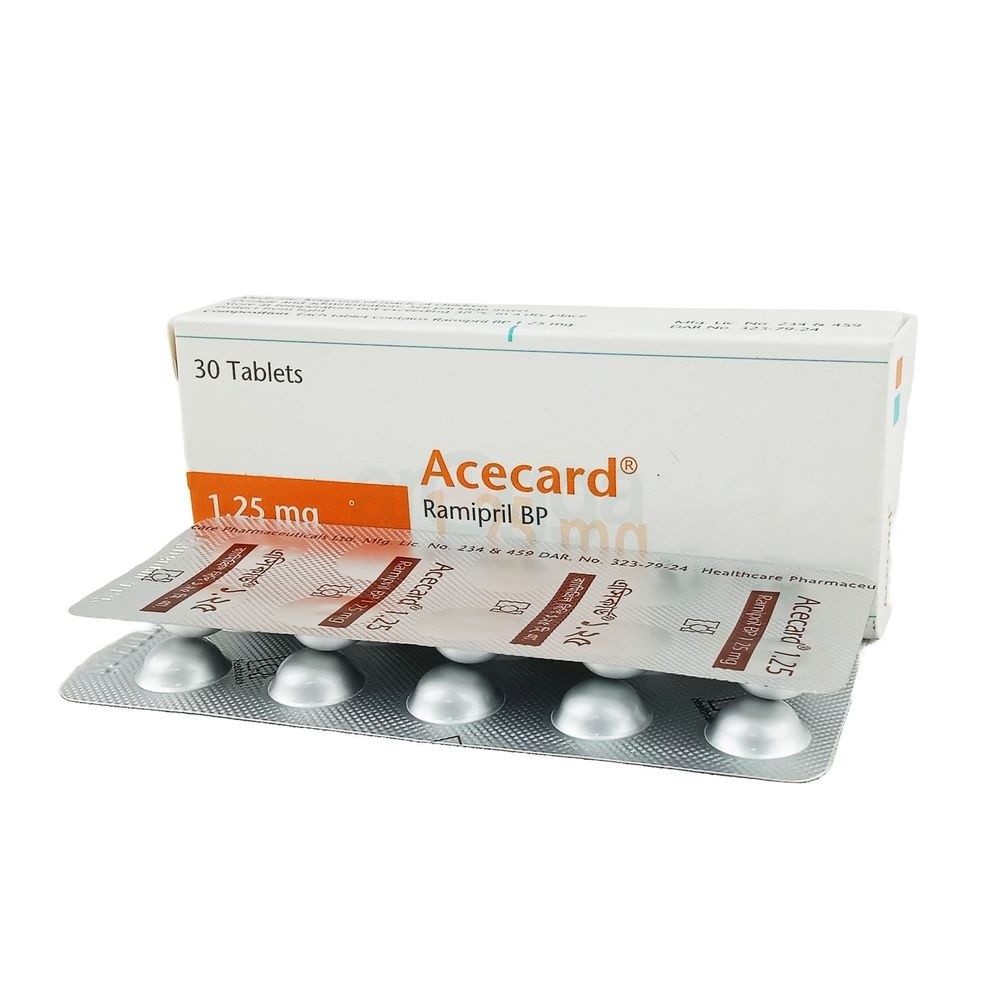
ACECARD 1.25MG TABLET

ACECARD 5MG TABLET
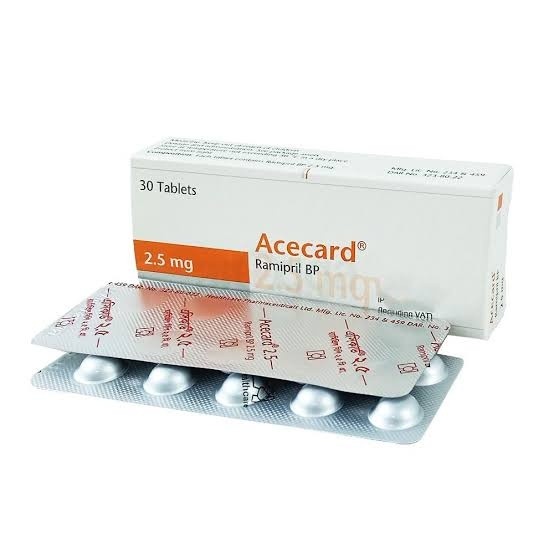
ACECARD 2.5MG TABLET

Acepro 100 mg (Tablet)

ACI PURE SUJI
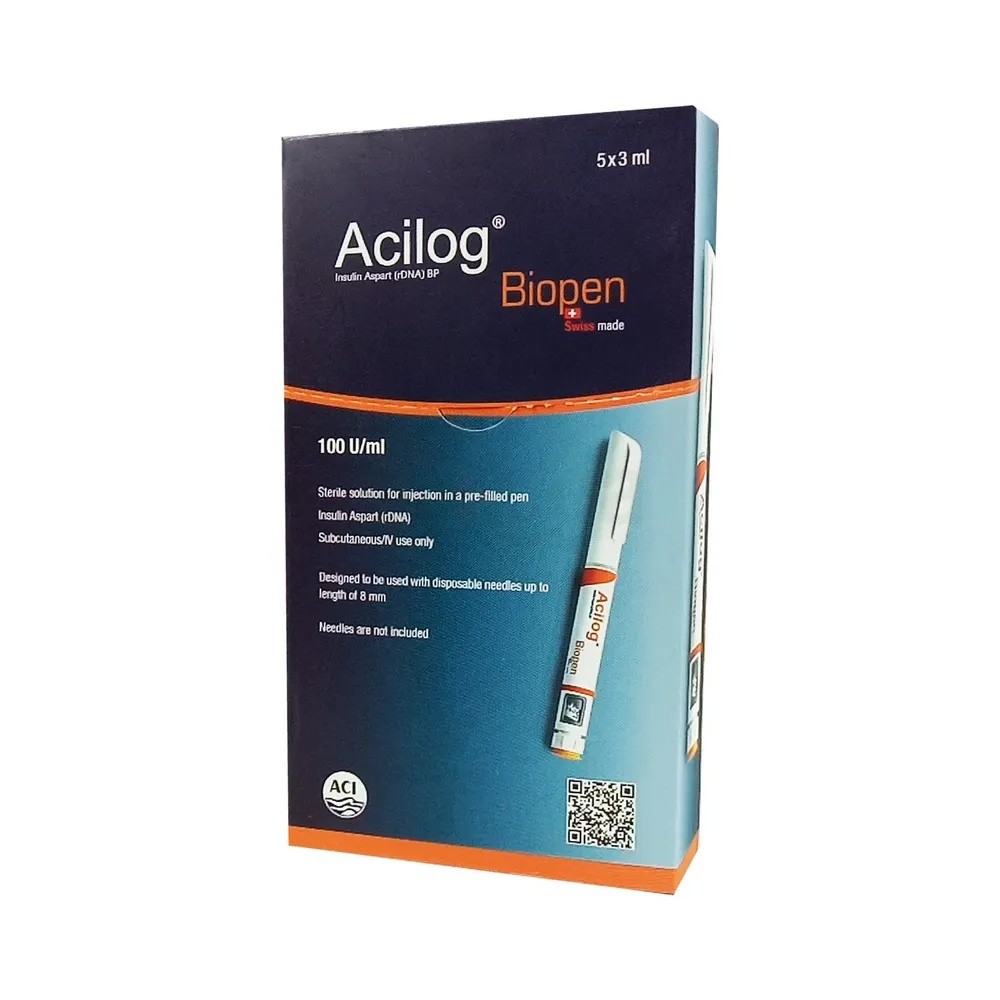
ACILOG MIX BIOPEN
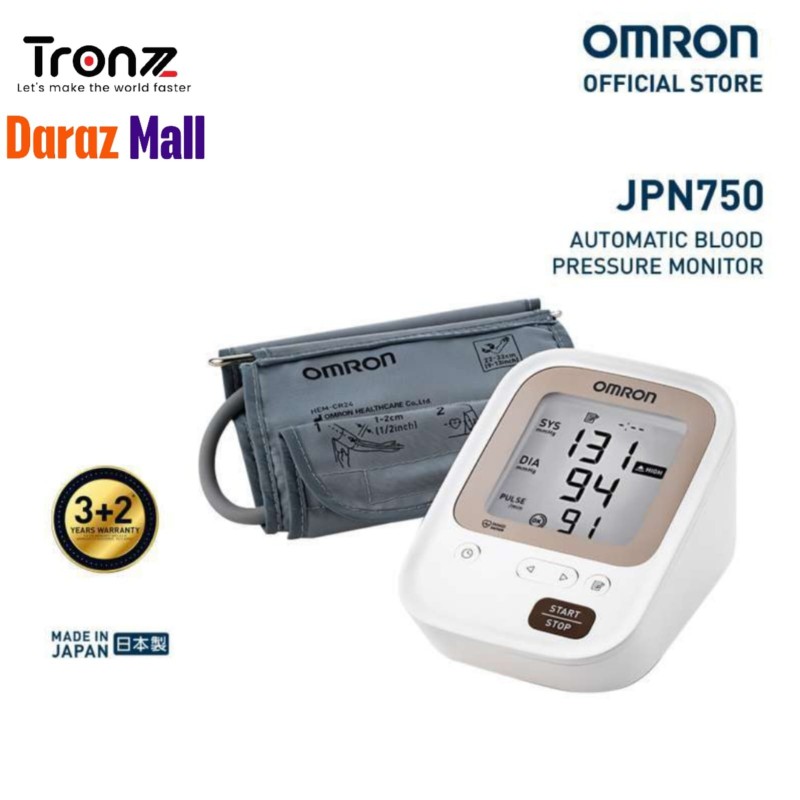
Omron Digital Blood Pressure Monitor (Model-JPN-750)