





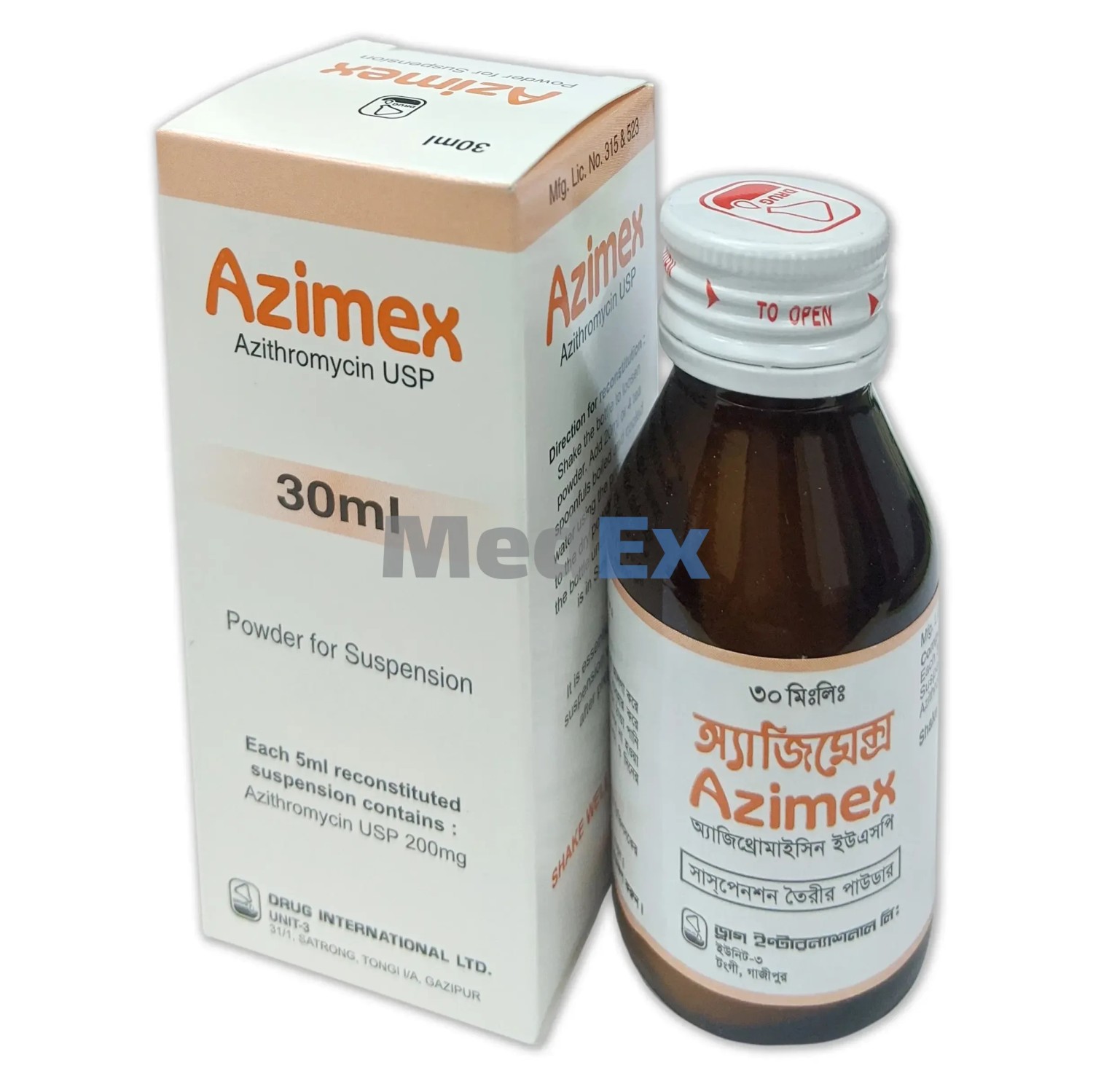
AZIMEX 200mg/5ml Suspension 30ml

-

NIDIPINE SR 20MG TABLET
৳0.64 -
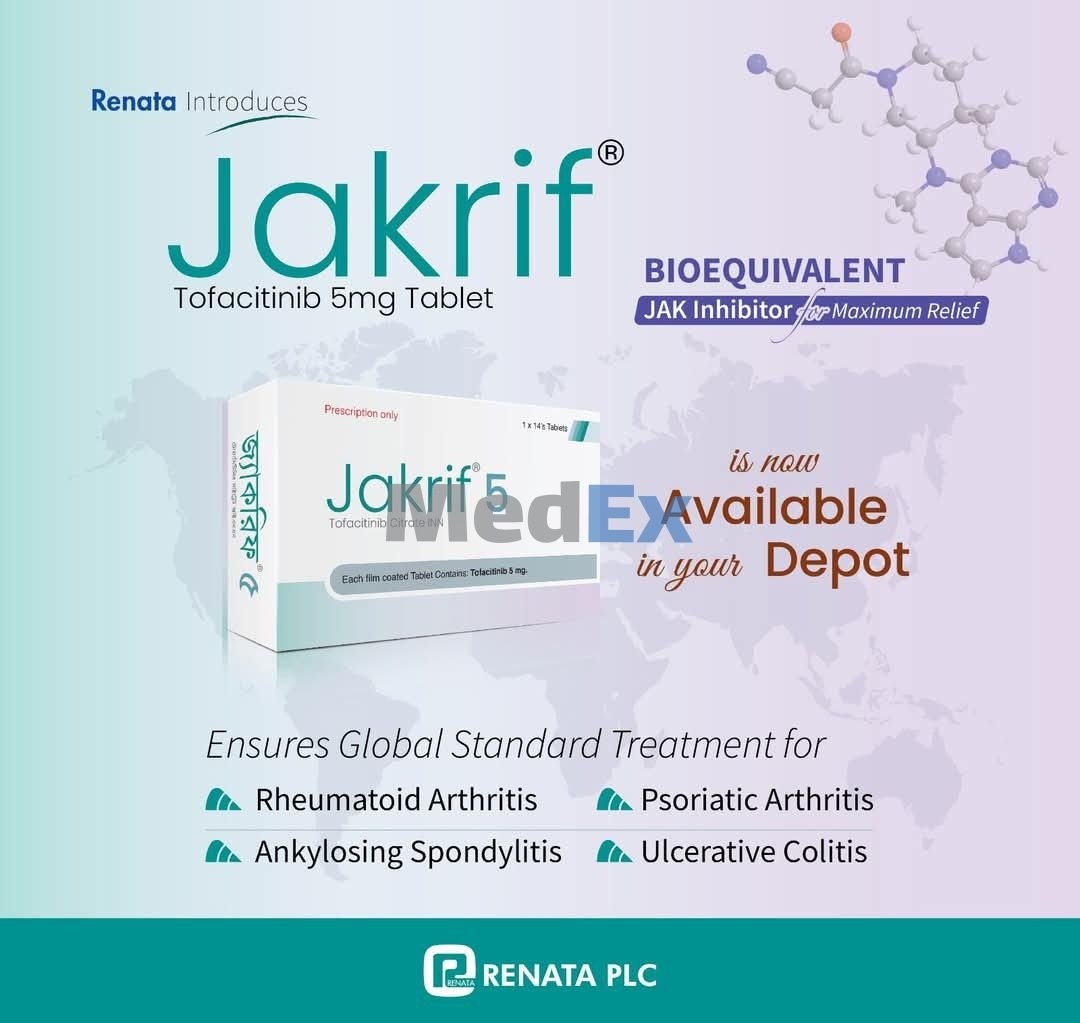
Jakrif 5mg TABLET
৳32.20 -
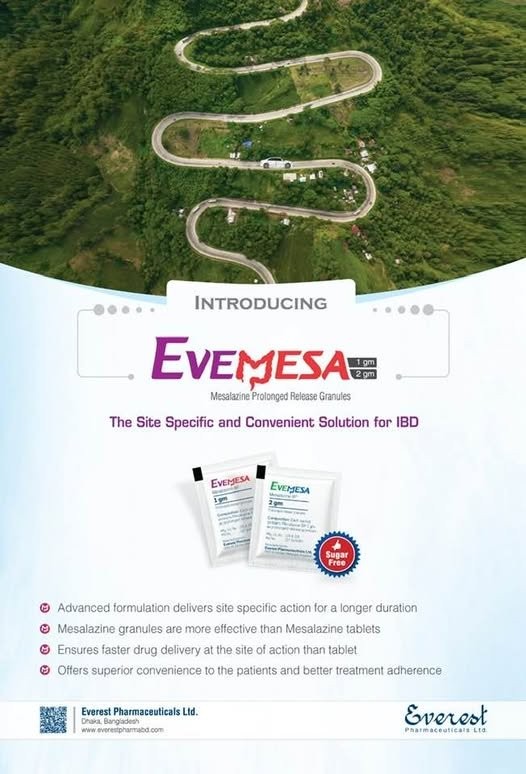
EVEMESA 1GM SACHET
৳47.50 -
Imugen 10 billion Capsule
৳27.60 -
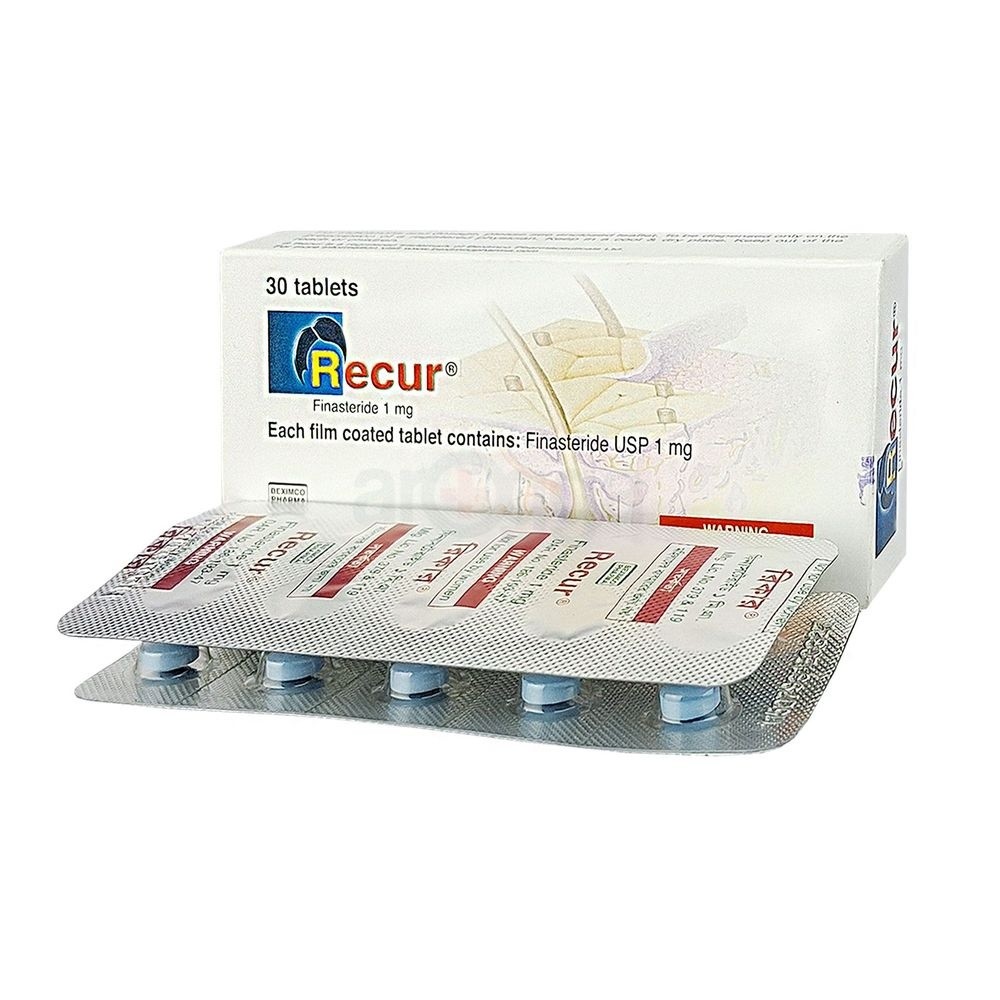
RECUR 1mg Tablet
৳3.70

✅ 100% Original Product
AZIMEX 200MG/5ML SUSPENSION 30ML
Description
Azimex 200mg/5ml Suspension 30ml is an oral, broad-spectrum macrolide antibiotic manufactured by Drug International Ltd. It contains Azithromycin (as Azithromycin Dihydrate) at a strength of 200mg per 5ml of reconstituted liquid. This larger 30ml bottle volume is designed to accommodate heavier pediatric patients, longer treatment durations (such as 5-day or 7-day courses), or multiple family members requiring concurrent treatment as directed by a healthcare professional.
Azithromycin works by binding to the 50S ribosomal subunit of susceptible bacteria, which blocks their ability to synthesize essential proteins needed for growth and survival. This action stops the bacteria from multiplying, allowing the body's natural immune system to clear out the infection.
Uses
Upper Respiratory Tract Infections: Prescribed to treat throat infections, including tonsillitis and pharyngitis (especially for patients allergic to penicillin), as well as acute bacterial sinusitis.
Lower Respiratory Tract Infections: Indicated for bacterial bronchitis and mild-to-moderate community-acquired pneumonia.
Acute Otitis Media: Used to clear bacterial middle ear infections in pediatric patients.
Skin and Soft Tissue Infections: Treats uncomplicated skin infections caused by bacteria like Staphylococcus aureus or Streptococcus pyogenes.
Typhoid Fever: Often used as an effective therapy for enteric (typhoid) fever caused by susceptible Salmonella typhi strains.
Typical Dose
Standard Pediatric Dosage (6 months and older): The standard routine dose is 10mg/kg of body weight taken once daily for 3 consecutive days.
Alternatively, a doctor may prescribe a 5-day regimen: 10mg/kg on Day 1, followed by 5mg/kg once daily on Days 2 through 5.
Weight-Based Dosing Guide (for a standard 3-day course):
15 to 25 kg: 200 mg (1 teaspoonful or 5 ml) once daily for 3 days.
26 to 35 kg: 300 mg (1.5 teaspoonfuls or 7.5 ml) once daily for 3 days.
36 to 45 kg: 400 mg (2 teaspoonfuls or 10 ml) once daily for 3 days.
Note: For typhoid fever, the dose is typically higher (up to 500mg or 2.5 teaspoonfuls once daily) and extended for 7 to 10 days, which frequently requires this larger 30ml bottle volume.
How to Take
Preparation (Reconstitution): This medicine comes as a dry powder. Before use, a specific amount of boiled and cooled water must be added to the bottle according to the packaging instructions to make exactly 30ml of liquid. Shake the bottle vigorously until the powder completely dissolves.
Shake well before each use to ensure the active antibiotic is evenly mixed throughout the liquid.
Administration: Use the medical measuring cup or oral syringe provided with the package to give the precise milliliter dose. Do not use regular kitchen spoons, as they do not provide accurate dosing.
It can be taken with or without food. However, taking it with a small meal can help prevent minor stomach discomfort.
Antacid Interaction: Do not give aluminum- or magnesium-containing antacids within 2 hours before or after administering this medicine, as they can significantly reduce how well the antibiotic is absorbed.
Complete the Full Course: Always finish the exact duration prescribed by your doctor, even if symptoms vanish after the first or second day. Stopping antibiotics early can cause the remaining bacteria to become resistant, making the infection return and harder to treat.
Common Side Effects
Azimex is typically very well-tolerated. Most side effects are mild, temporary, and localized to the digestive system:
Nausea, vomiting, or mild abdominal pain/cramps.
Diarrhea or loose stools (inform your doctor immediately if diarrhea becomes severe, watery, or contains blood).
Flatulence (gas) or an upset stomach.
Occasional brief headache or dizziness.
Allergy Warning: Discontinue use and contact emergency medical care immediately if you notice signs of an allergic reaction, such as an itchy skin rash, hives, swelling of the face, tongue, or throat, or difficulty breathing.
Related products

7 UP CAN BERMUDA 320 ML

7 UP 1.75ML

7BAHAR ORANGE JAM JELLY 380 GM
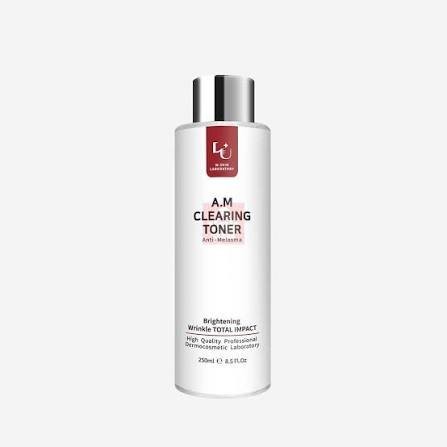
A.M CLEARING TONER 250 ML

Aarong Dairy Laban 250ML

Aarong Dairy lassi 200 ml

Aarong Dairy Tok Doi 500 G

AARONG MILK LIQUID 1 L.
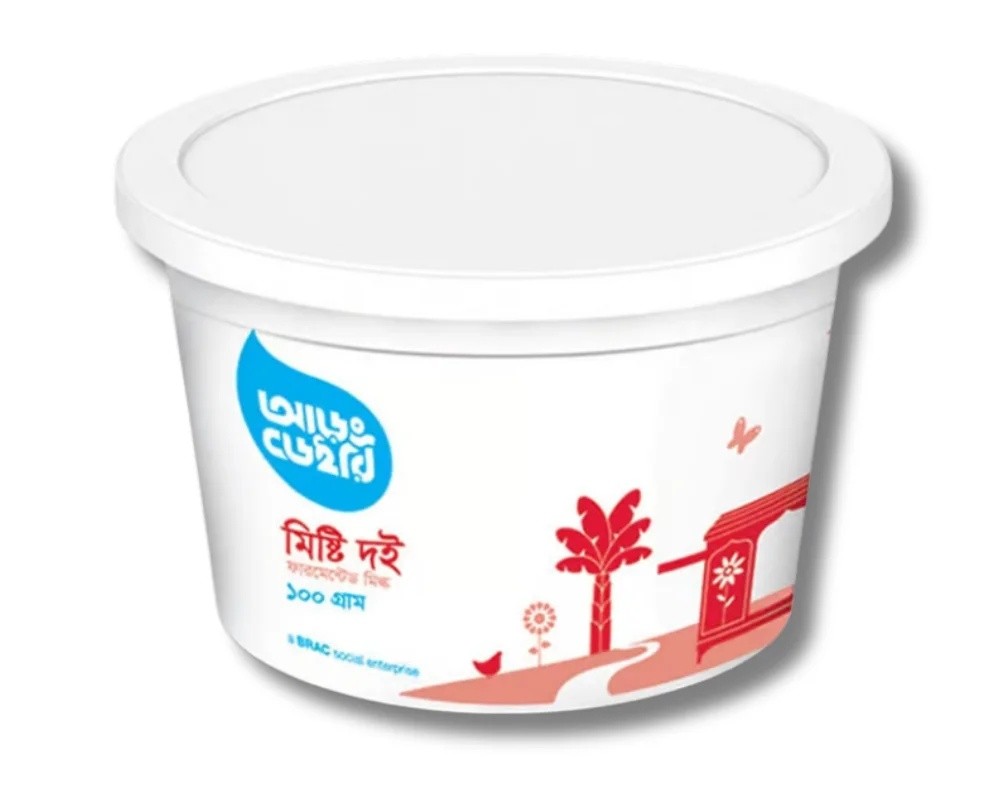
AARONG MISTI DOI 100GM

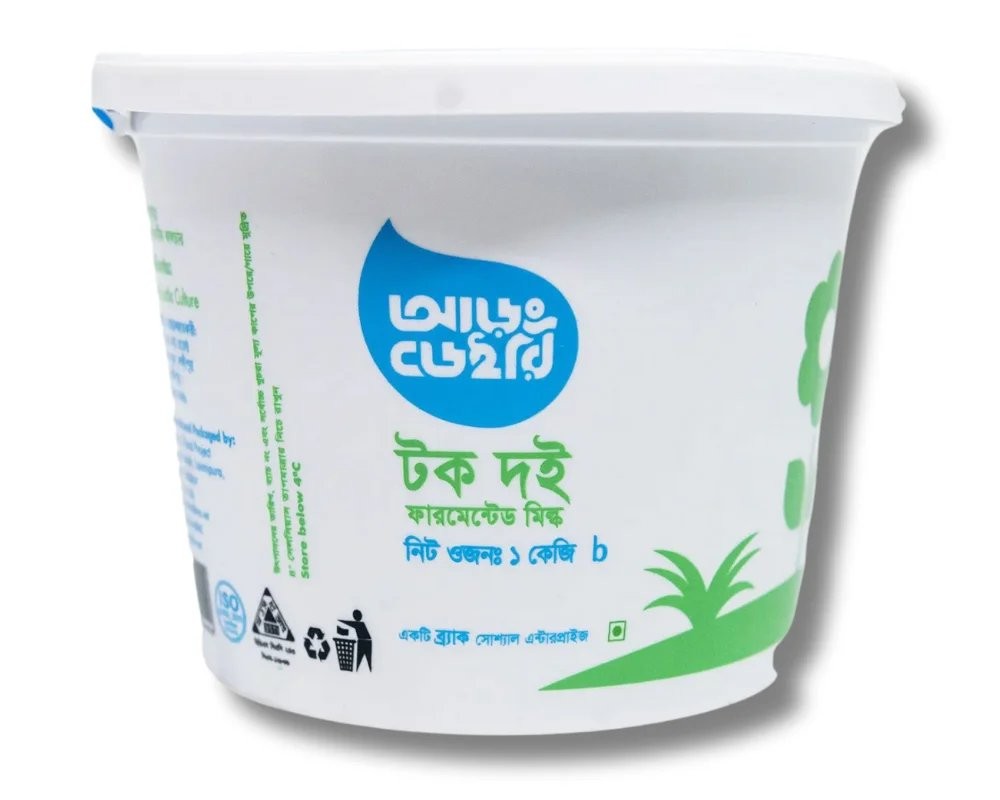
AARONG TOK DOI

ABASAGLAR CARTRIDGE 3ML
ABASAGLAR KWIKPEN 3ML

ABASAGLAR KWIKPEN

ABDOMINAL SUPPORT TYNOR SIZE: L
ABDOMINAL SUPPORT TYNOR SIZE: XL

ABICON 500 mg+100 mg Chewable Tablet
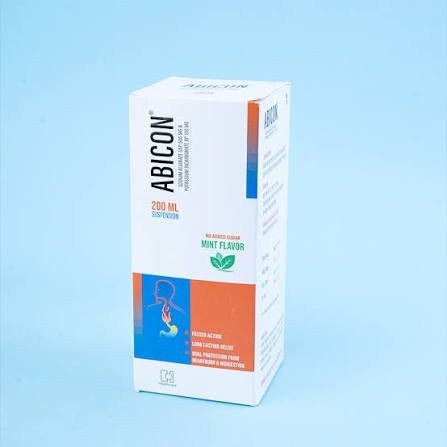
ABICON (500 mg+100 mg)/5 ml Oral Suspension 200ML
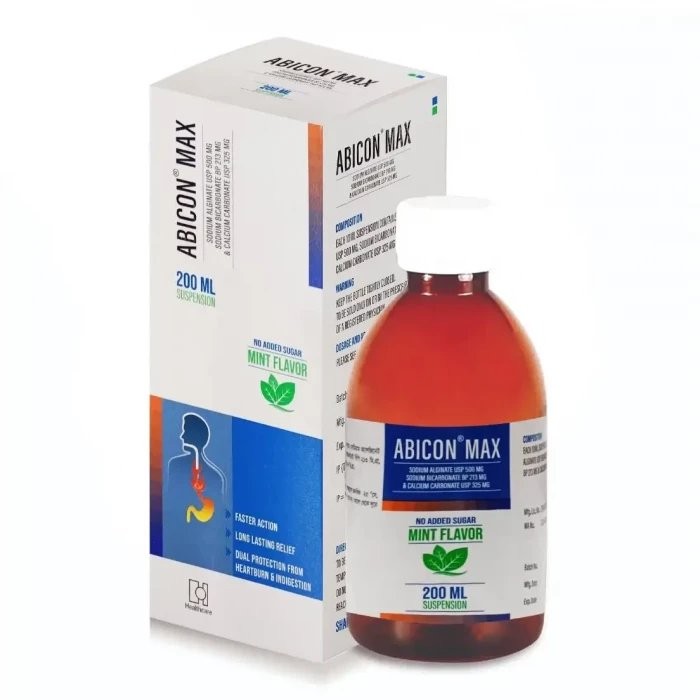
ABICON MAX SUSPENSION 200ML
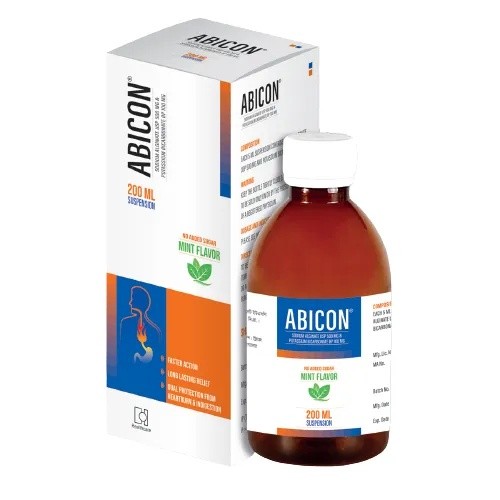
ABICON PLUS Oral Suspension 200 ml
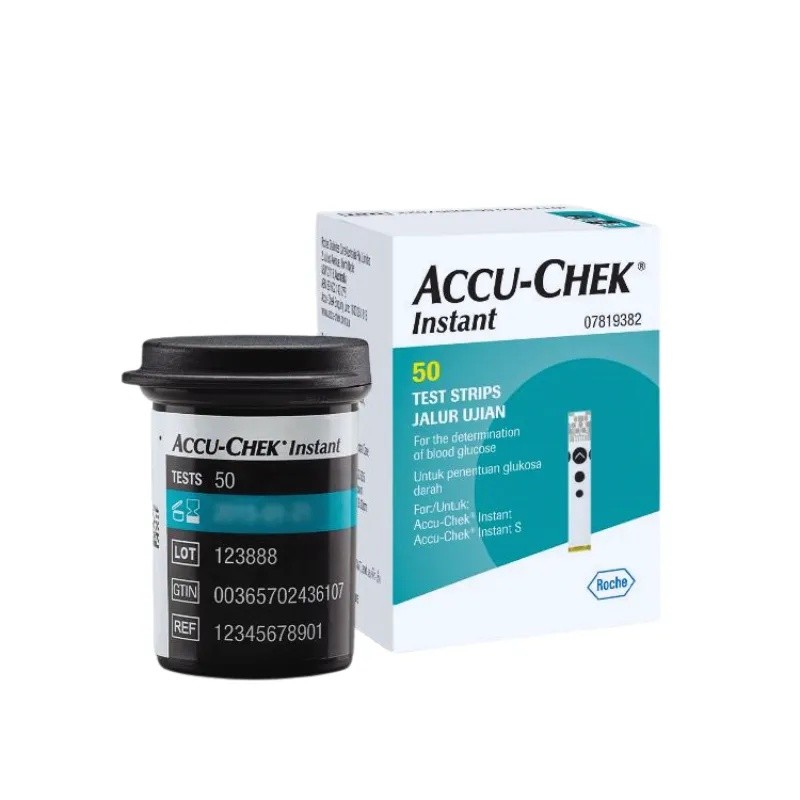
ACCU-CHEK INSTANT STRIP 50 PCS

ACCUZITH 500MG TABLET
ACECARD 1.25MG TABLET

ACECARD 5MG TABLET
ACECARD 2.5MG TABLET

Acepro 100 mg (Tablet)
ACI PURE SUJI
ACILOG MIX BIOPEN

Omron Digital Blood Pressure Monitor (Model-JPN-750)