






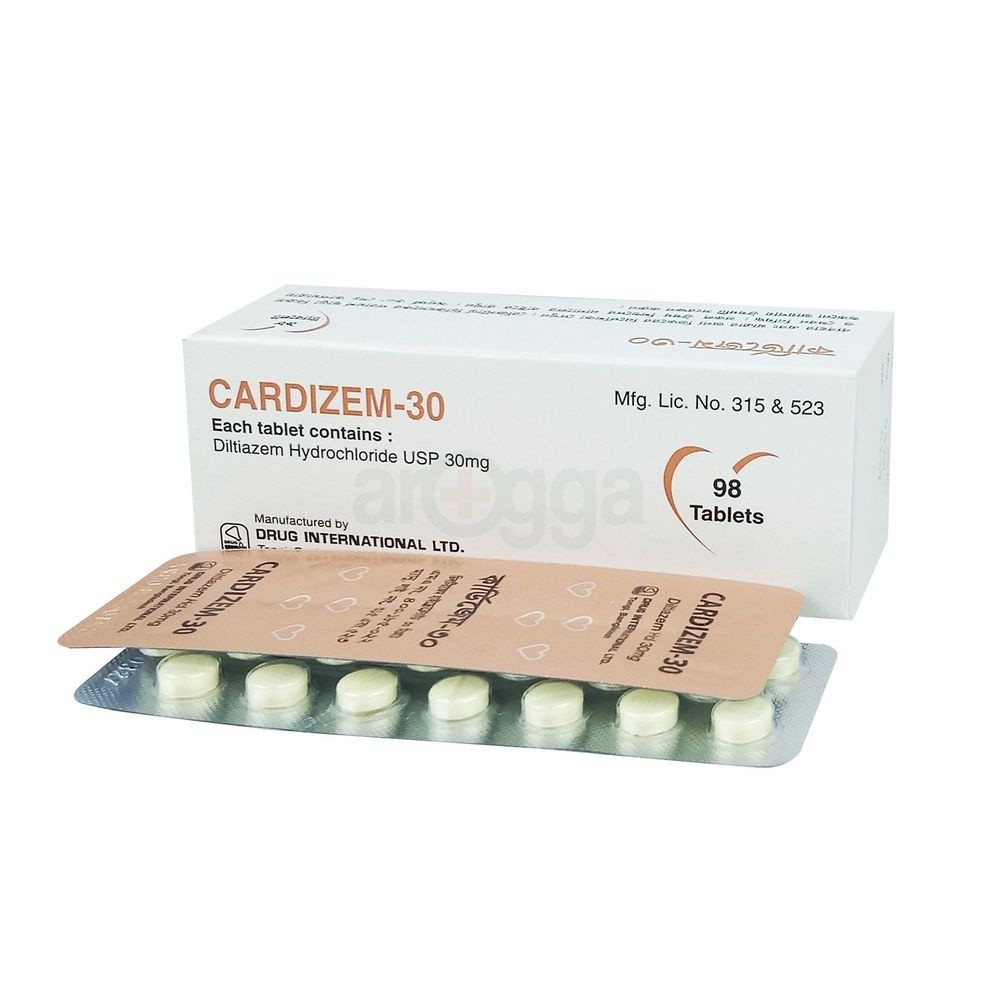
CARDIZEM 30mg Tablet

-

NIDIPINE SR 20MG TABLET
৳0.64 -
EVEMESA 1GM SACHET
৳47.50 -
Imugen 10 billion Capsule
৳27.60 -
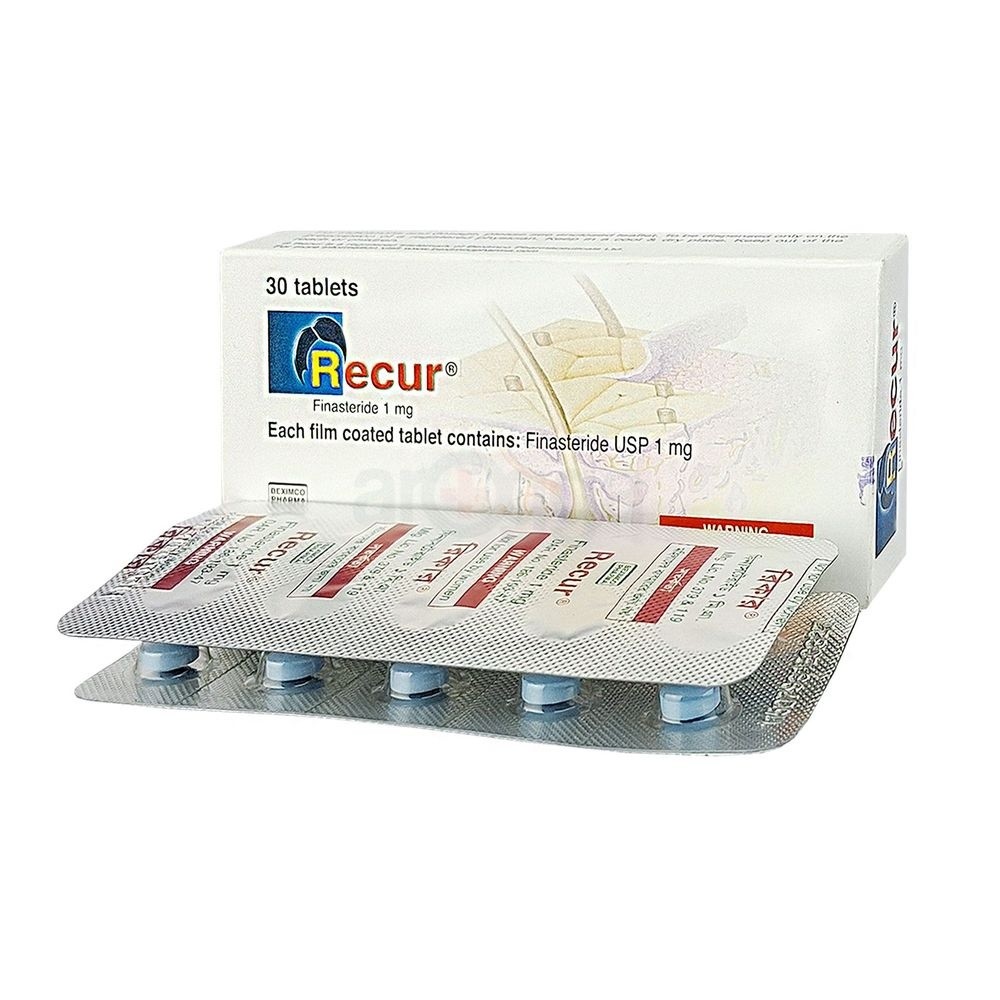
RECUR 1mg Tablet
৳3.70


✅ 100% Original Product
CARDIZEM 30MG TABLET
Description & Uses
Active Ingredient: Diltiazem Hydrochloride (30mg).
What it does: It is a non-dihydropyridine calcium channel blocker. It works by inhibiting the influx of calcium ions into cardiac and vascular smooth muscle cells. This relaxes and dilates the blood vessels (lowering blood pressure) and slows electrical conduction in the heart, reducing heart rate and workload.
Prescribed for: Prevention of chronic stable chest pain (angina pectoris), angina due to coronary artery spasms (Prinzmetal's angina), mild-to-moderate high blood pressure (hypertension), and control of certain abnormal, rapid heart rhythms (arrhythmias).
Dosage & Administration
Standard Regimen: Typically 30mg taken 3 to 4 times daily before meals and at bedtime. Your doctor may gradually increase this dose every 1 to 2 days based on your response, up to a typical maximum of 180mg to 300mg per day.
Important Rules: Take your doses at evenly spaced intervals throughout the day. Unlike the extended-release (CD/LA) formulations, standard Cardizem 30mg immediate-release tablets can be split or crushed if directed by your doctor, though they are usually swallowed whole with water.
Do Not Stop Abruptly: If you are taking this for angina, never stop taking this medication suddenly.
Abrupt discontinuation can trigger severe, rebound chest pain or a cardiovascular event. Dietary Warning: Avoid drinking grapefruit juice or eating grapefruit while on this medication.
Grapefruit increases diltiazem levels in your body, which can dangerously lower your blood pressure or heart rate.
Side Effects & Warnings
Common: Swelling of the ankles or lower legs (edema), headache, dizziness, sudden facial flushing, nausea, or constipation.
Contraindications: Do not take this medication if you have a very slow heart rate (bradycardia), severe low blood pressure (systolic below 90 mmHg), advanced heart block (unless you have a working pacemaker), or fluid buildup in the lungs (pulmonary congestion).
Critical Interactions: Exercise extreme caution if taking this alongside beta-blockers (like Metoprolol) or digitalis (Digoxin), as the combination can lead to severe slowing of the heart rate or conduction block.
Related products

7 UP CAN BERMUDA 320 ML

7 UP 1.75ML

7BAHAR ORANGE JAM JELLY 380 GM

A.M CLEARING TONER 250 ML

Aarong Dairy Laban 250ML

Aarong Dairy lassi 200 ml

Aarong Dairy Tok Doi 500 G

AARONG MILK LIQUID 1 L.
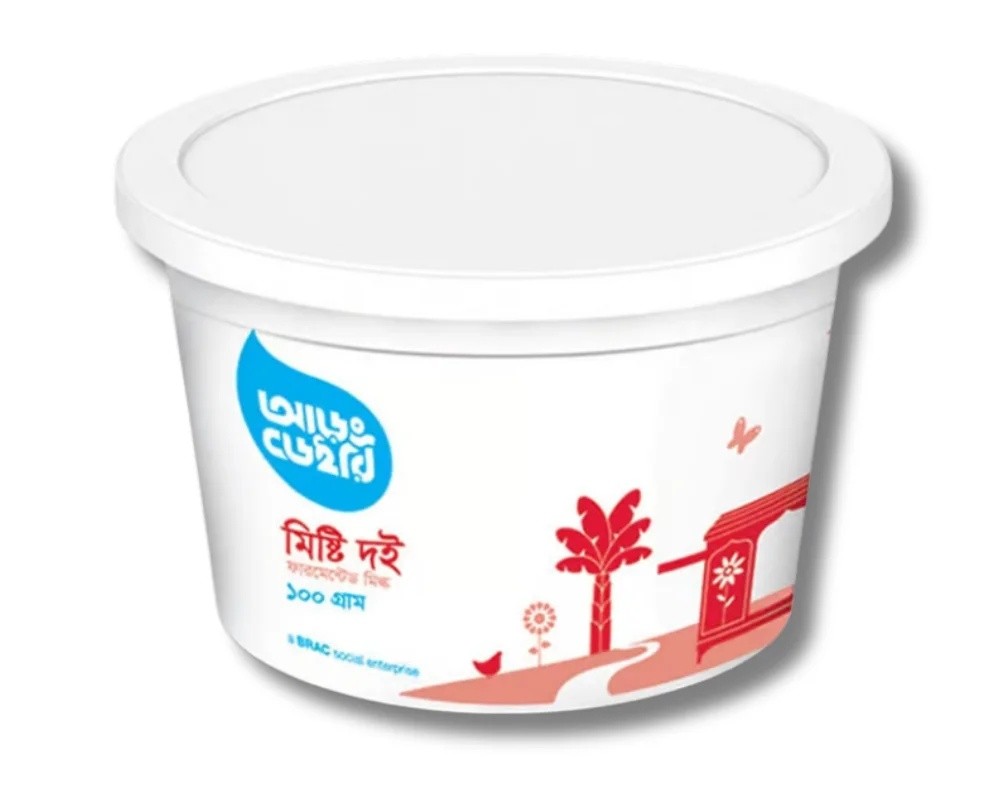
AARONG MISTI DOI 100GM

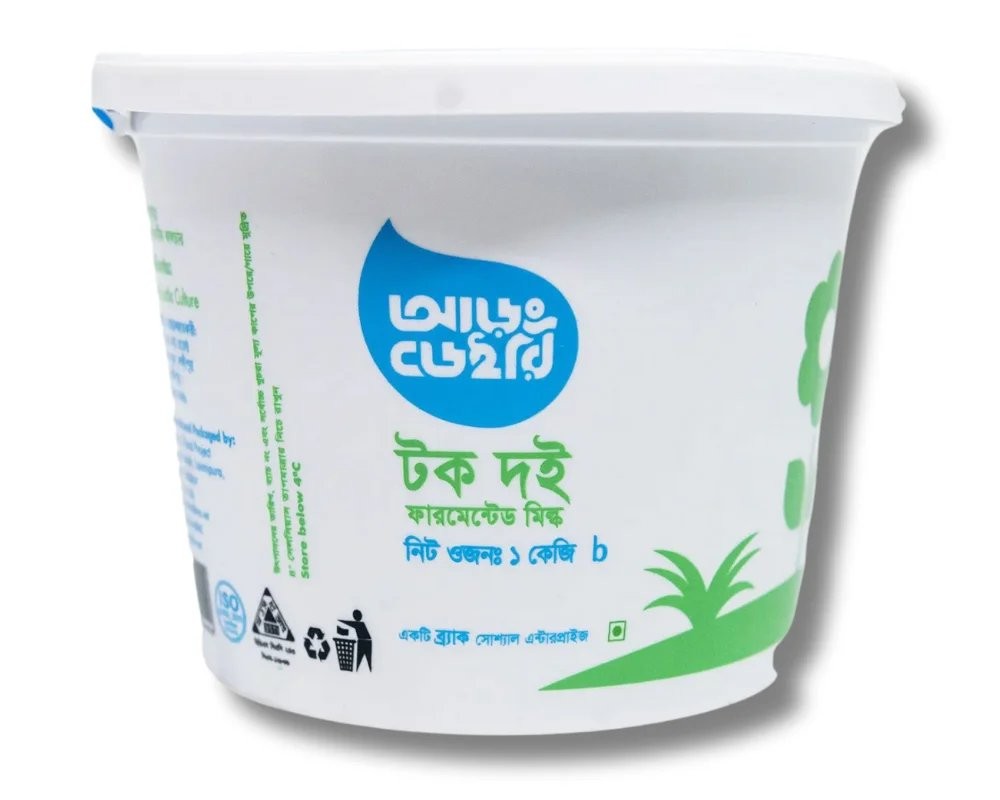
AARONG TOK DOI

ABASAGLAR CARTRIDGE 3ML
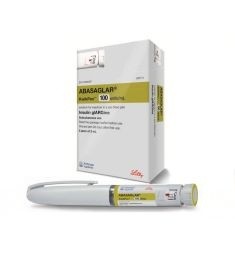
ABASAGLAR KWIKPEN 3ML

ABASAGLAR KWIKPEN

ABDOMINAL SUPPORT TYNOR SIZE: L
ABDOMINAL SUPPORT TYNOR SIZE: XL

ABICON 500 mg+100 mg Chewable Tablet
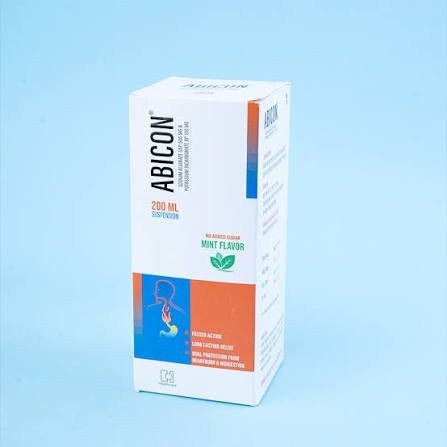
ABICON (500 mg+100 mg)/5 ml Oral Suspension 200ML
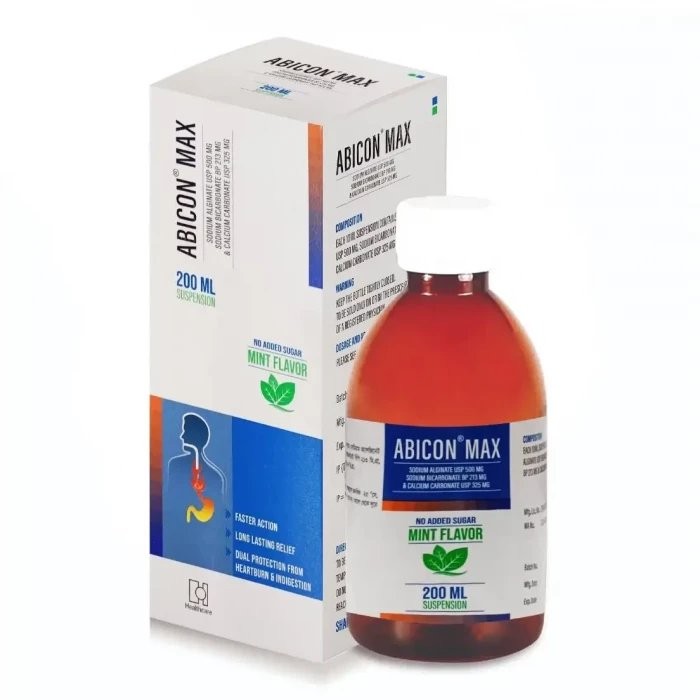
ABICON MAX SUSPENSION 200ML
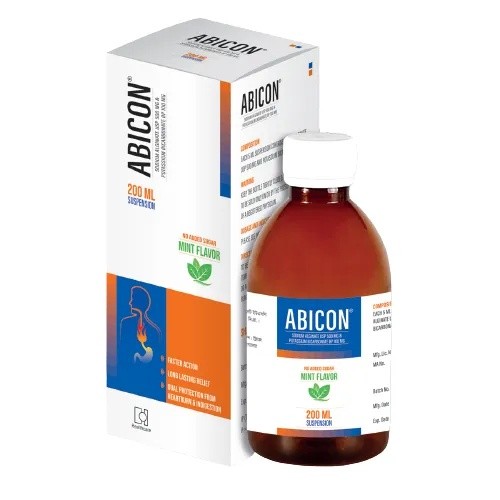
ABICON PLUS Oral Suspension 200 ml
ACCU-CHEK INSTANT STRIP 50 PCS

ACCUZITH 500MG TABLET
ACECARD 1.25MG TABLET

ACECARD 5MG TABLET
ACECARD 2.5MG TABLET

Acepro 100 mg (Tablet)
ACI PURE SUJI
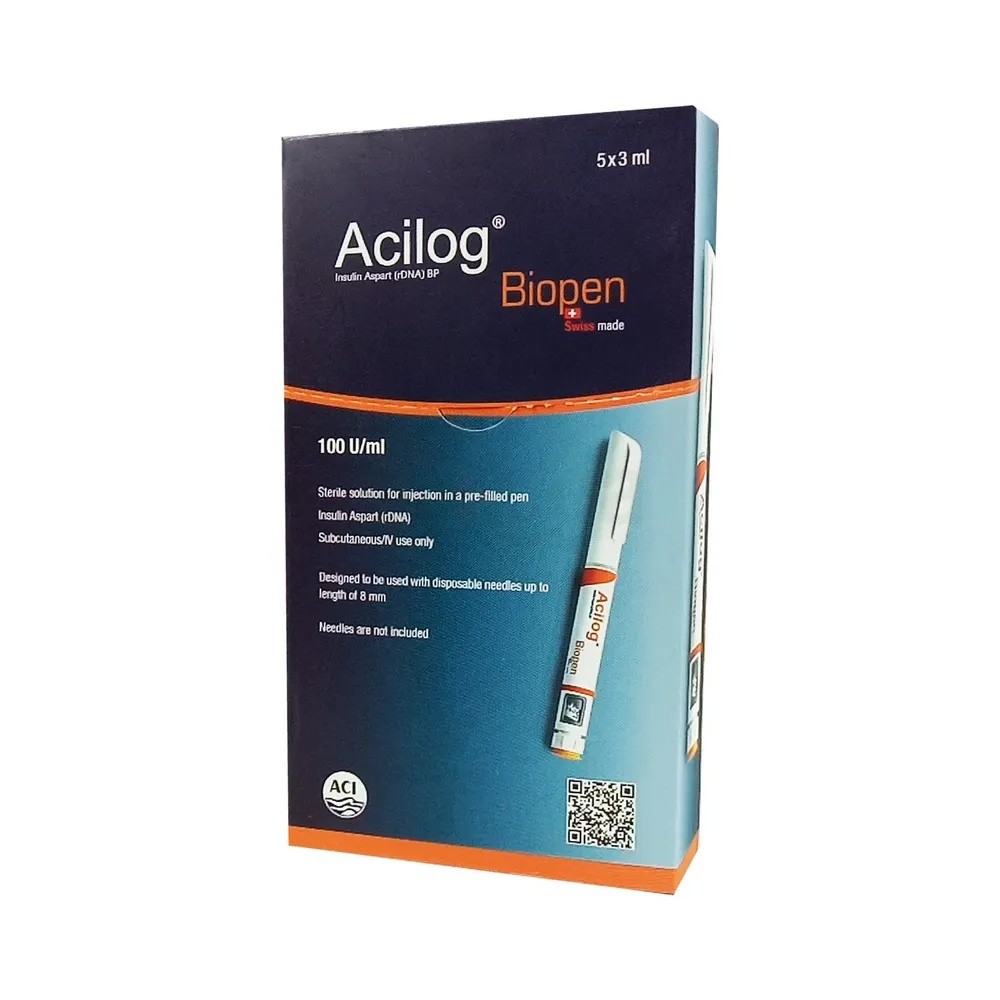
ACILOG MIX BIOPEN
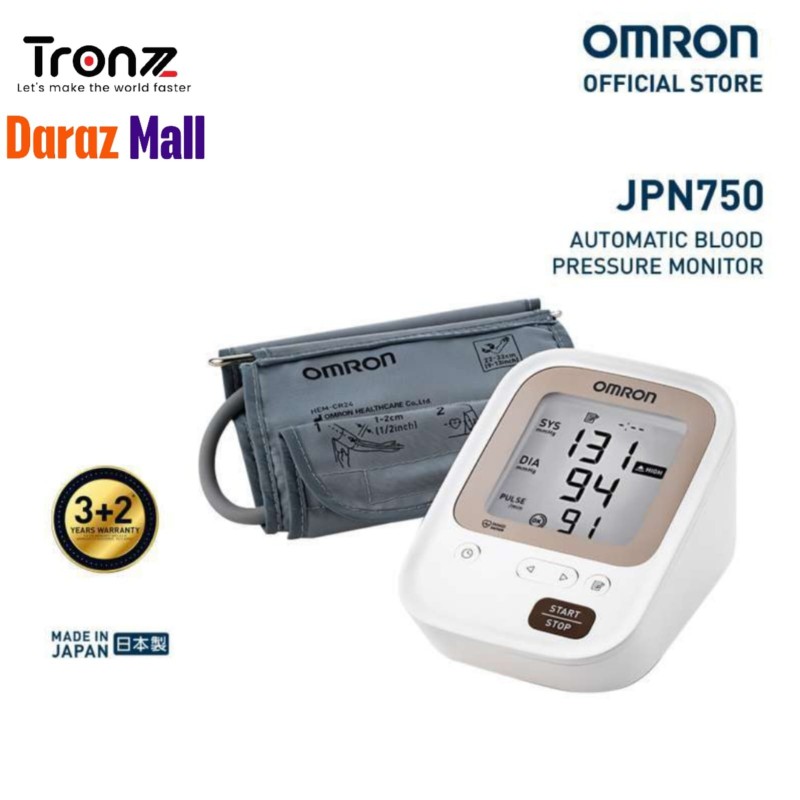
Omron Digital Blood Pressure Monitor (Model-JPN-750)